Post-traumatic stress
An evidence-based treatment for PTSD after abuse, accidents, assault, or other overwhelming events.
Monobikash Foundation · raising mental health awareness in Bangladesh since 2005
+880 1712-544981Call usEye Movement Desensitization and Reprocessing (EMDR) is a structured psychotherapy approach used to help people process and recover from distressing or traumatic experiences.
The Executive Director of Monobikash Foundation works directly with people seeking trauma-focused EMDR therapy.
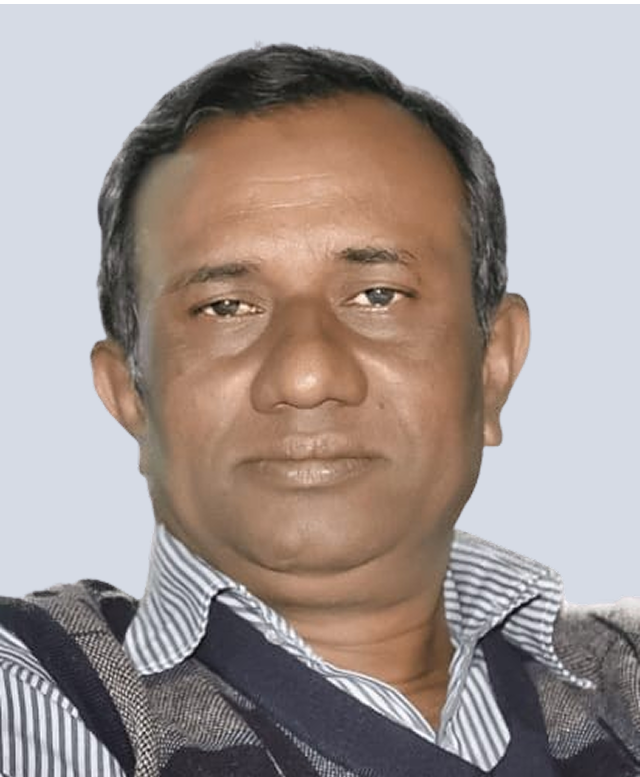
Practicing EMDR since 1998
Executive Director
A. K. M. Shakowath Sharif Bhuiyan, the Executive Director of the organization, has been practicing EMDR since 1998 and works directly with individuals seeking trauma-focused therapy.
Mr. Bhuiyan is one of the pioneers among EMDR practitioners in Bangladesh.
For appointment
Individuals interested in an EMDR consultation with Mr. Bhuiyan may reach out through the organization to schedule an appointment.
WhatsApp +880 1712-544981This page is for informational purposes only and does not constitute medical or mental health advice. If you are in crisis or need immediate support, please contact a licensed professional or local emergency services.
A structured psychotherapy that helps the brain reprocess difficult memories so they carry less emotional intensity.
Eye Movement Desensitization and Reprocessing (EMDR) is a structured psychotherapy approach used to help people process and recover from distressing or traumatic experiences.
Through guided bilateral stimulation — typically eye movements — a trained clinician helps the brain reprocess difficult memories so they carry less emotional intensity.
EMDR is widely used for post-traumatic stress, anxiety, grief, and other trauma-related conditions, and is recognized by several international health bodies as an evidence-based treatment for PTSD.
Distressing experiences can remain unprocessed — easily triggered, still carrying the original fear or shame.
A clinician guides brief attention to the memory alongside side-to-side eye movements, tapping, or sound.
That bilateral rhythm appears to help the mind finish storing the memory, much like REM sleep.
What happened can still be recalled — but it typically feels less raw, intrusive, or overwhelming.
Widely used for post-traumatic stress, anxiety, grief, and other trauma-related conditions.
An evidence-based treatment for PTSD after abuse, accidents, assault, or other overwhelming events.
Used when worry, panic, or fear is rooted in experiences the mind has not fully processed.
Support when loss remains stuck in painful intensity and everyday life is hard to re-enter.
A trauma-focused approach for distressing memories that still shape how a person feels and functions.
A few of the questions people bring first — from how a session works to how to book a consultation.
A trained clinician uses guided bilateral stimulation — typically eye movements — while you briefly focus on a difficult memory. This helps the brain reprocess the memory so it carries less emotional intensity.